
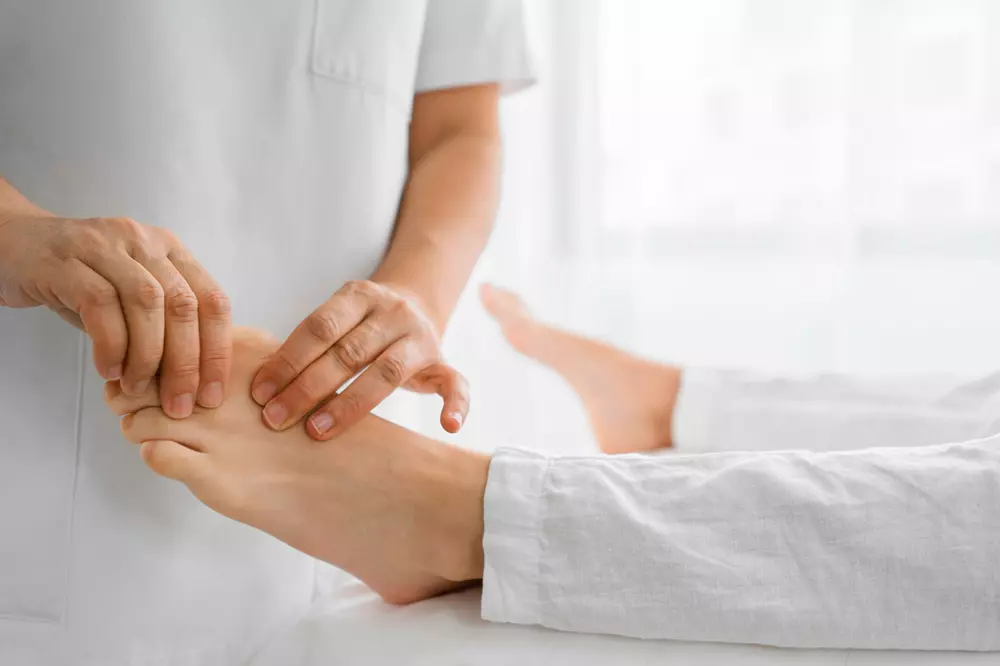
Understanding Tarsal Coalition: Relief Starts Here
Tarsal coalition can cause persistent foot pain and limit your mobility. At Metropolitan Ankle & Foot Care Specialists, located in Totowa, NJ, we specialize in diagnosing and treating this condition to help you get back on your move comfortably and confidently.
Why Choose Metropolitan Ankle & Foot Care Specialists for Tarsal Coalition Treatment?
When dealing with tarsal coalition, you need care that’s both precise and personalized. Our team in Totowa, NJ uses advanced diagnostic tools to accurately identify the affected joints and tailor treatments that fit your lifestyle. Whether it’s conservative management like custom orthotics and physical therapy or surgical intervention, we guide you every step of the way.
We understand how this condition can impact daily activities, so we focus on restoring function and reducing pain as quickly as possible. You’ll find a welcoming environment where your concerns are heard and your recovery goals are prioritized.
Contact us today at (973) 837-8173 or request an appointment to start your path to foot health.
FAQs
What is tarsal coalition?
Tarsal coalition is an abnormal connection between two or more bones in the foot, usually present from birth, that can cause stiffness, pain, and difficulty walking.
How is tarsal coalition diagnosed?
Diagnosis typically involves a physical exam, medical history review, and imaging tests such as X-rays, CT scans, or MRIs to identify the bony or fibrous connections between foot bones.
Can tarsal coalition be treated without surgery?
Yes. Many cases improve with non-surgical options like custom orthotics, physical therapy, anti-inflammatory medications, and activity modifications.
When is surgery necessary for tarsal coalition?
Surgery may be recommended if conservative treatments fail to relieve pain or restore function. Procedures aim to remove the coalition or fuse affected joints to reduce discomfort.
How long is the recovery after tarsal coalition surgery?
Recovery varies but often includes several weeks of immobilization followed by physical therapy. Most patients gradually return to normal activities within a few months.